
For a fleet, hail damage is an availability problem. The vehicles still run. The question is whether you can keep running them while they get fixed.
Cosmetic is not the same as optional
A dented van still drives. But for many operators, damaged vehicles carry real cost:
- Brand exposure if the vehicles are liveried and customer-facing
- Resale and lease-return exposure at end of cycle
- Corrosion on any impact that broke the paint film
- Driver morale, which is unglamorous and entirely real
The decision is not whether to repair, it is when and in what order.
Sequencing beats speed
You do not need every vehicle back at once. You need the right ones back first. A workable sequence:
1. Units with broken glass or water intrusion. These are safety and secondary-damage risks, not cosmetic ones. 2. Customer-facing and liveried units. 3. Units approaching lease return or resale. 4. Everything else, cycled through in batches sized to what you can spare.
Batching matters. Sending ten percent of the fleet at a time keeps operations moving; sending everything at once does not.
Make the claim easy on yourself
Multi-vehicle claims stall on documentation. Before repair starts, get:
- Per-VIN damage records with photographs
- One claim reference covering the event, with per-unit line items
- A written scope per unit, so supplements do not surprise you later
On-site is usually the answer
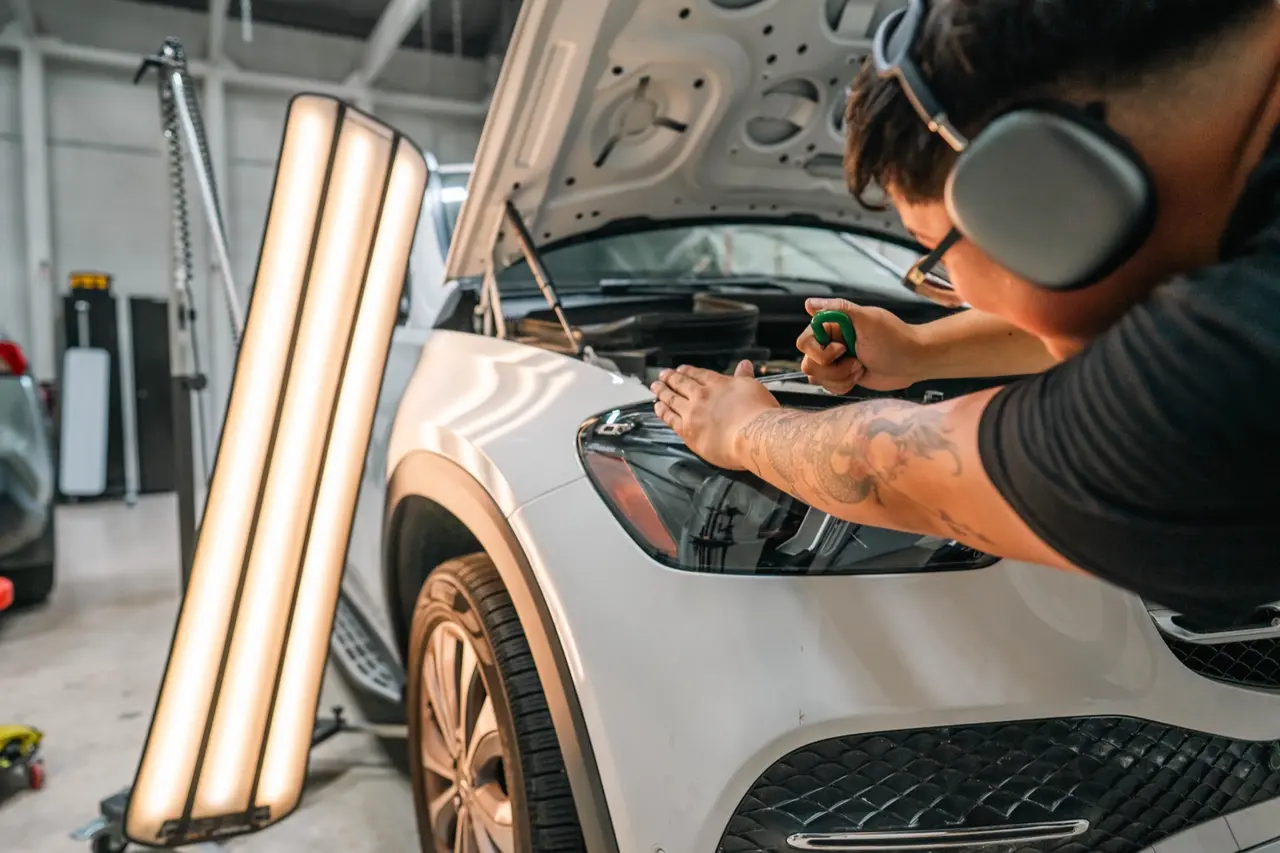
Transporting a fleet to a shop multiplies downtime. On-site crews work where the vehicles are parked, which means units can be pulled from service in the order you choose and returned the same way.
We work fleet locations across Texas and deploy to major hail events. Request an on-lot crew and we will scope the fleet and build a sequencing plan around your operations.