
Both will fix your car. They do not produce the same result, and on a hail car the difference shows up when you sell it.
What each method does
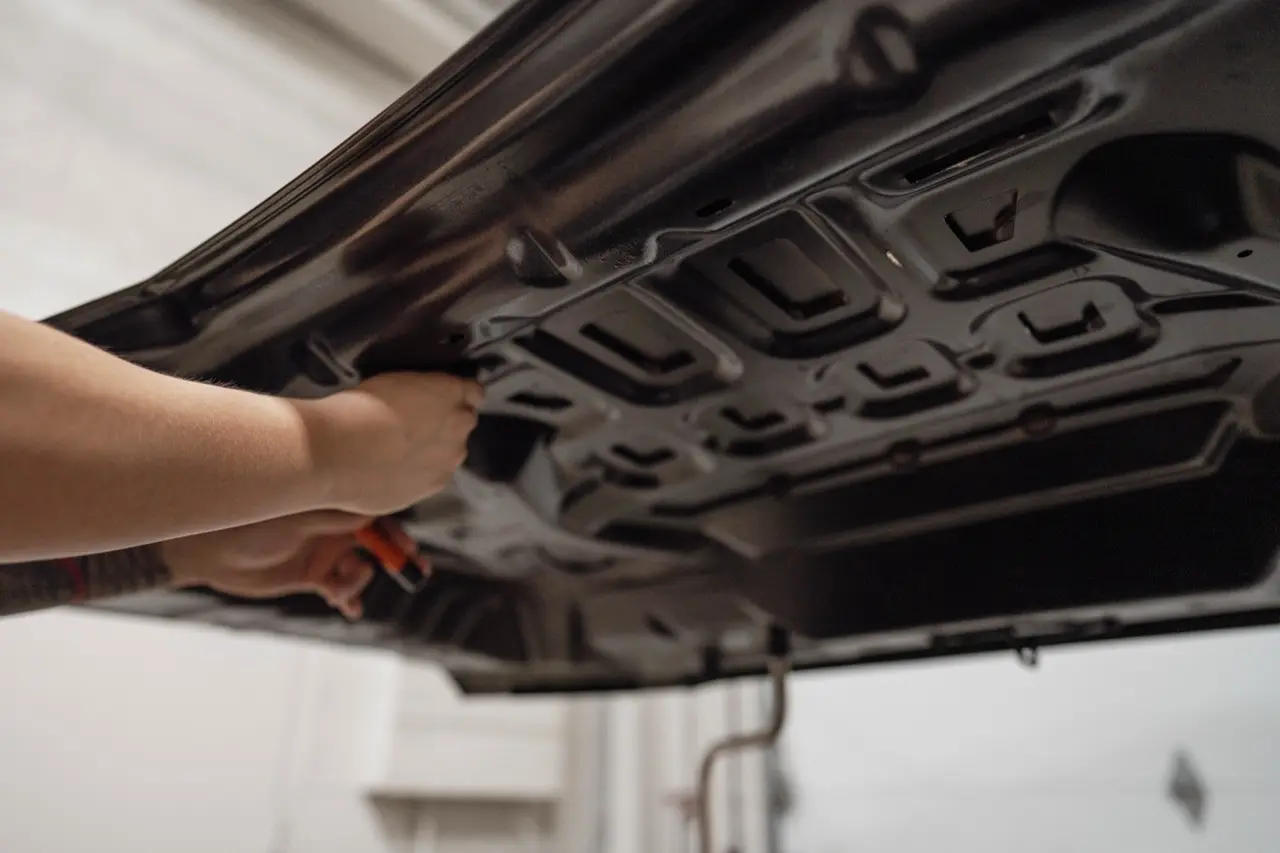
Paintless dent repair works the metal back to shape from behind the panel using specialised tools and reflective lighting. The paint is never broken. The panel leaves with the finish it was built with.
Conventional body repair fills, sands and repaints the damaged area, or replaces the panel outright and paints the new one to match.
When PDR is the right call
- The paint is intact — no cracks, no chips through to primer
- The metal is dented but not stretched thin
- Damage is accessible from behind the panel
- Dents are not sitting on a sharp body line or panel edge
That covers the majority of hail damage. Most hail dents are shallow, round and land in the middle of panels, which is exactly what PDR is built for.
When you need paint
- The impact broke the paint film
- The metal is stretched past what can be worked back
- Damage is on a panel edge or a structural seam
- The panel is plastic or composite rather than metal
A good hail estimate will call out which panels need which. An estimate that says "repaint the whole car" without a per-panel breakdown is not an estimate, it is a guess.
Why it matters for resale
Original factory paint is a value point on any vehicle and a significant one on newer cars. Paint meters are common at trade-in and at auction. A repainted roof reads as prior damage whether or not the work was good, and it will be priced accordingly.
PDR leaves nothing to read. That is the practical argument for using it wherever it is possible.
The cost difference
PDR is generally the cheaper method, sometimes substantially, because it eliminates materials, paint booth time and blend panels. On a vehicle near the total-loss threshold this can be the difference between repair and write-off.
If you want to know which method your car needs, it has to be looked at under lighting. Schedule an in-person estimate.